
Explore natural, synthetic, semi-synthetic, and blended fabrics used in textile sourcing. Learn how fabric type impacts quality, application, and procurement
Understanding Fabric Types in Textile Sourcing
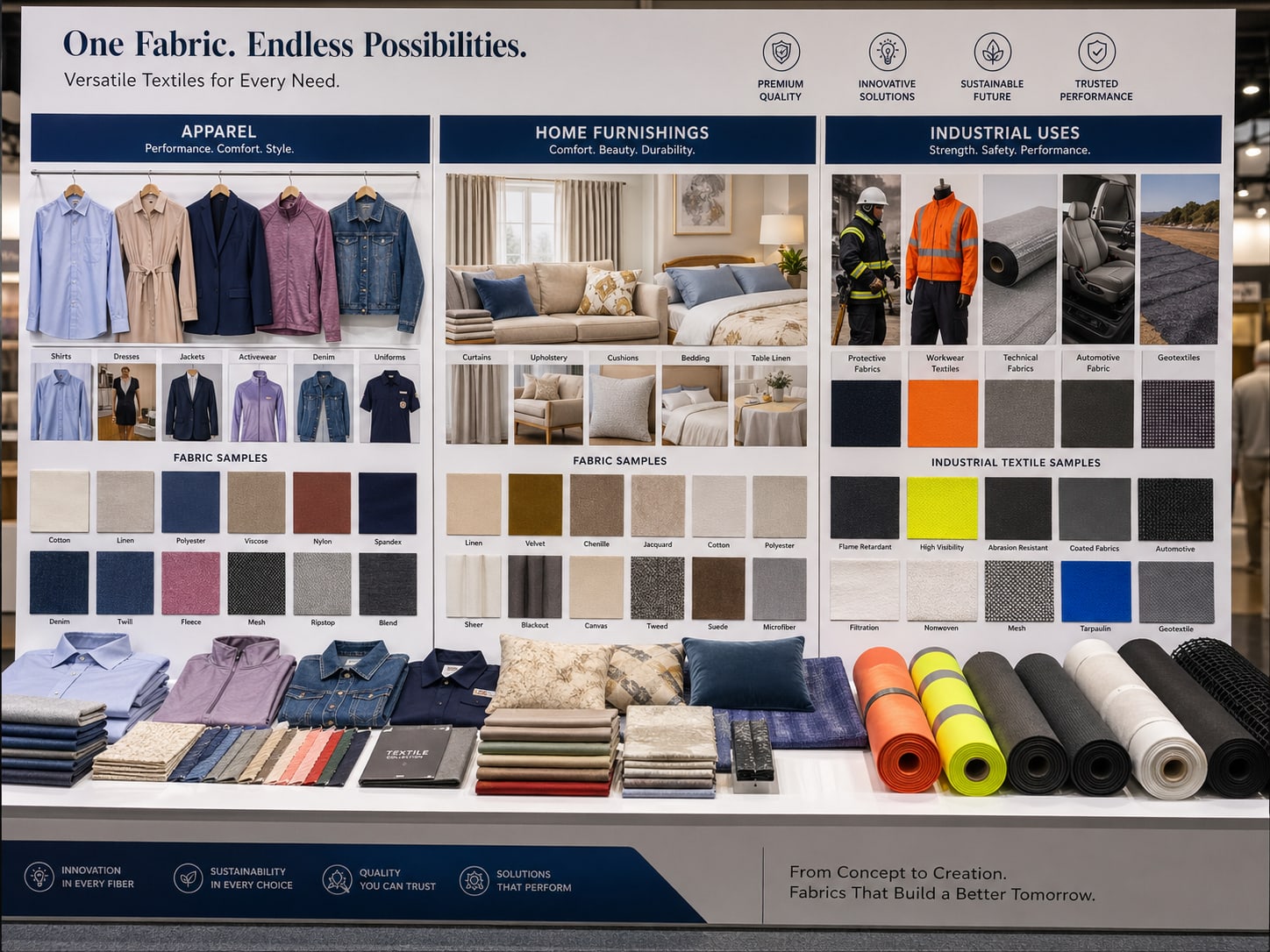
For apparel brands, garment manufacturers, and sourcing teams, choosing the right fabric is a key step in procurement. The textile industry offers a variety of fabrics, each with unique characteristics that affect product quality, cost, and suitability for different applications. Fabric selection influences comfort, durability, and sustainability—factors that shape bulk order outcomes. Procurement professionals need to assess fabric types for both technical properties and how they fit the intended use, whether for shirts, uniforms, outerwear, or home textiles. A clear understanding of fabric categories helps buyers communicate requirements such as GSM, width, weave, and finish to suppliers like Amrita Global Enterprises. This knowledge streamlines sourcing and supports informed decisions for bulk fabric orders. To explore available options, buyers can review the fabric collection for bulk sourcing.

Major Fabric Categories and Sourcing Considerations
Natural fabrics such as cotton, wool, silk, and linen come from plant or animal sources. Cotton is valued for softness and versatility, wool for insulation, silk for its sheen, and linen for breathability. Buyers sourcing natural fabrics should consider GSM, weave, and finishing processes to match application needs.
Synthetic fabrics—including polyester, nylon, acrylic, and spandex—are chosen for durability and performance. Polyester resists wrinkles, nylon offers elasticity, acrylic can substitute wool, and spandex adds stretch. Sourcing synthetics involves evaluating performance and care requirements.
Semi-synthetic fabrics like rayon, modal, and lyocell are made from natural cellulose but chemically processed, balancing comfort and performance. Blended fabrics, such as cotton-polyester, combine fibers to enhance durability or achieve specific outcomes. For bulk buyers, blends can help with shrinkage control and fabric stability. Sustainability is increasingly important, with more buyers seeking recycled or bio-based options. By specifying application, GSM, width, and finish, sourcing teams can identify the most suitable fabric types for their projects.
Making Informed Fabric Choices for Bulk Orders
Choosing the right fabric type is fundamental to achieving quality and consistency in bulk textile sourcing. Each category—natural, synthetic, semi-synthetic, or blended—serves different market needs and product applications. Procurement teams should assess not only the technical properties but also the supply chain factors such as availability, repeat-order consistency, and shade continuity. Communicating detailed requirements, including GSM, width, colour, quantity, and end use, helps suppliers like Amrita Global Enterprises recommend suitable options and streamline the approval process. To discuss your bulk fabric requirement or request fabric samples, share your specifications with AGE for tailored sourcing support.
