
B2B fabric sourcing decisions hinge on quality, cost, durability, supplier reliability, and sustainability. Learn how to evaluate fabric options and suppliers
Why Fabric Sourcing Matters for B2B Buyers
For apparel brands, garment manufacturers, and sourcing teams, fabric sourcing is a foundational step that directly impacts product quality, cost control, and delivery timelines. Selecting the right fabric is not just about appearance; it requires evaluating how the material will perform in bulk production, how reliably it can be supplied, and how it fits the end-use application. Mistakes at this stage can lead to production delays, quality issues, or excess costs. B2B buyers must consider factors like GSM (fabric weight), width, weave or knit type, and colour consistency to ensure the fabric meets their requirements. Understanding these parameters helps avoid mismatches between sample and bulk, and supports smoother production runs. For buyers managing large orders, clarity on these sourcing factors is essential to minimize risk and maintain consistency across shipments. Explore fabric options that align with your application and quality needs.

Critical Factors in B2B Fabric Sourcing
Defining clear fabric requirements is the first step in successful sourcing. Procurement teams should specify the intended end use, target market, climate, and price point. Performance needs—such as breathability, durability, and ease of care—must align with the final product. Industry conventions suggest that, for example, mid-weight cottons around 150–220 GSM are common for t-shirts, but buyers should always confirm based on their own application. Fiber composition (natural, synthetic, or blends) affects comfort and strength, while construction details like weave or knit structure and GSM influence drape and durability. Evaluate suppliers by reviewing their ability to deliver consistent shade, manage shrinkage, and provide fabric that performs as expected in both sample and bulk. Cost analysis should include not just price per meter, but also sampling, logistics, and potential wastage. Strong supplier relationships, built on transparent communication and reliable delivery, help reduce delays and quality inconsistencies. Sustainability is increasingly important—many buyers now seek suppliers who offer recycled or eco-friendly materials, but always clarify your priorities and check what is available for your order size and timeline. Finally, plan for logistics and lead times to avoid production bottlenecks and manage supply chain risks effectively.
Making Informed Sourcing Decisions
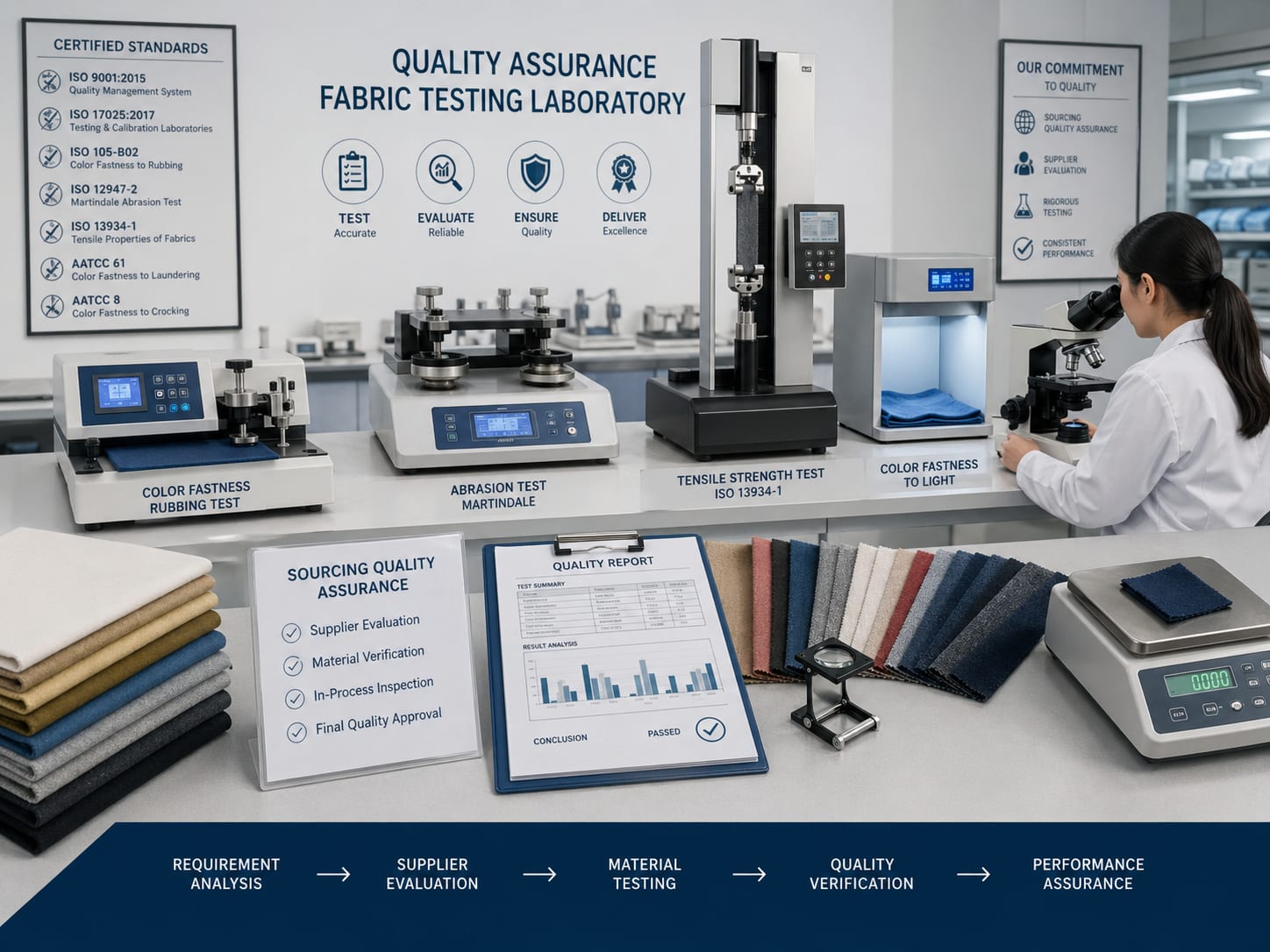
Successful fabric sourcing for B2B buyers depends on balancing quality, cost, and supplier reliability. Clearly communicating your requirements—such as GSM, width, colour, quantity, and end use—enables suppliers to suggest suitable options and avoid misunderstandings. Request samples for testing, and check that bulk fabric matches approved samples in shade and performance. For ongoing needs, discuss repeat-order consistency and packing preferences. Amrita Global Enterprises supports B2B buyers in matching fabric specifications to their bulk requirements and navigating the complexities of textile sourcing. Send a fabric inquiry with your GSM, colour, quantity, and application to review suitable fabric options for your next order.
