
Explore the latest textile industry trends—sustainable fabrics, digital printing, and supply chain shifts—to help B2B buyers make informed sourcing decisions
Understanding the Latest Textile Industry Trends
The textile industry is experiencing rapid change, impacting how procurement teams and sourcing professionals approach bulk fabric buying. Shifts in technology, sustainability, and buyer expectations are driving new priorities for fabric selection and supplier relationships. For B2B buyers, staying updated on these trends is essential to meet evolving market demands and ensure consistent quality in finished products.
Key trends such as sustainable materials, digital textile printing, and increased transparency are influencing sourcing strategies. Buyers must consider not only fabric type and price, but also factors like eco-friendly options, supply chain reliability, and the ability to customize orders. Understanding these developments helps procurement teams make informed decisions and maintain a competitive edge in the global textile market. For those sourcing woven, knit, or blended fabrics, aligning with current trends can support better product performance and long-term business growth. To review a wide range of options, explore the fabric collection from Amrita Global Enterprises.
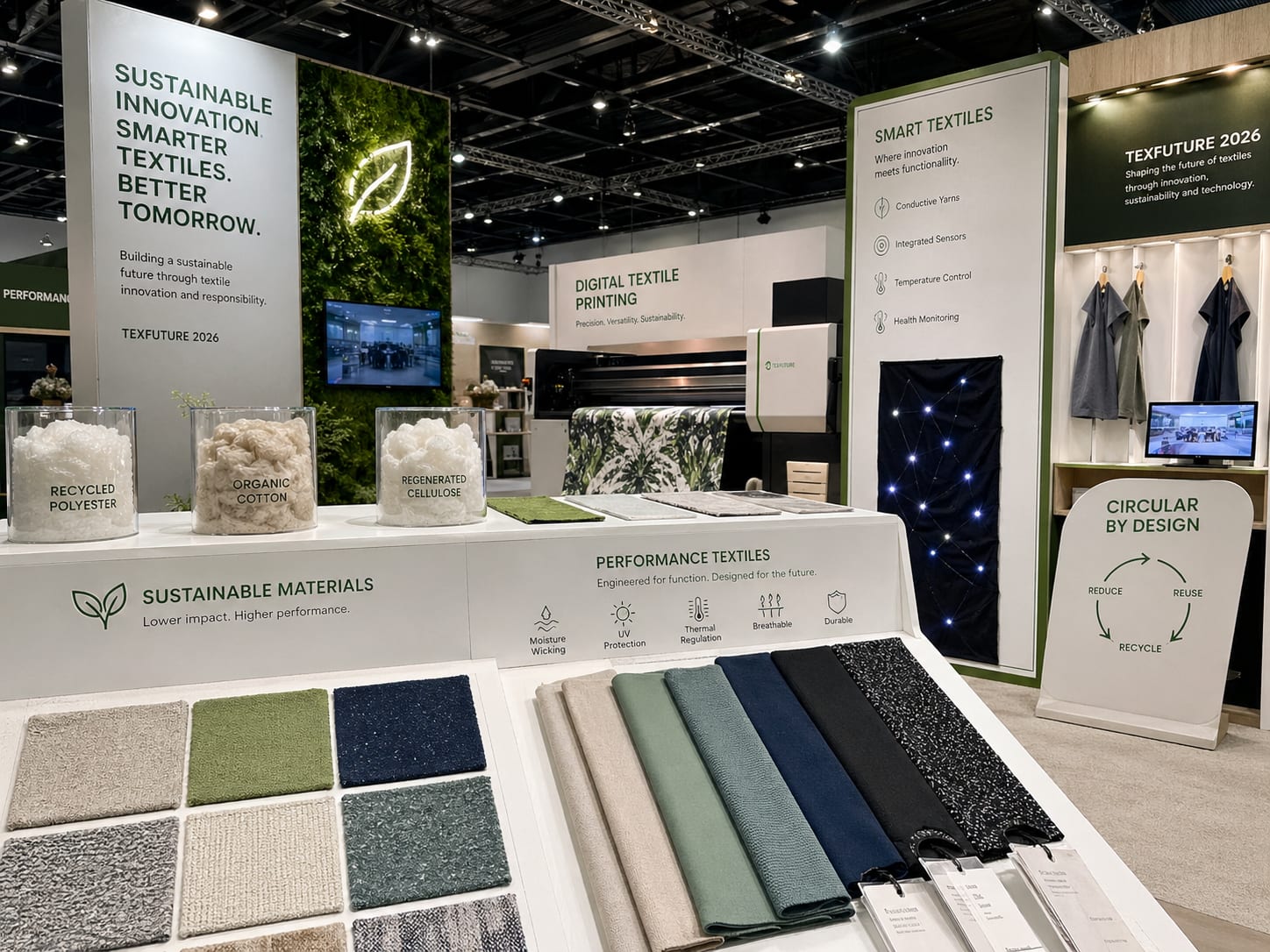
Sustainability, Technology, and Customization in Sourcing
Sustainability is now a core focus for textile sourcing teams. Many buyers are requesting fabrics made from organic cotton, recycled polyester, bamboo, or hemp, reflecting a shift toward reduced environmental impact. Circular production models—where textile waste is recycled into new yarns—are also gaining traction, helping minimize landfill waste and resource consumption in the supply chain.
Technological advancements are transforming manufacturing. Automation, AI-powered quality checks, and digital textile printing allow for greater consistency, faster turnaround, and more intricate designs. Digital printing, for example, enables detailed patterns and reduces water usage compared to traditional methods. These innovations support flexible order sizes and rapid sampling, which are valuable for apparel brands and garment manufacturers managing multiple product lines.
Customization and on-demand manufacturing are also shaping sourcing decisions. Brands can now request unique colours, textures, and finishes, while advanced weaving and printing technologies provide greater design flexibility. Supply chain transparency is improving, with digital tracking systems allowing buyers to trace fabric from raw material to finished product. These developments enable procurement teams to better manage risk, ensure quality, and respond quickly to changing market needs.

Making Informed Sourcing Decisions
For B2B buyers, adapting to the latest textile industry trends means evaluating suppliers on more than just price and lead time. Sourcing teams should prioritize suppliers who offer sustainable fabric options, advanced manufacturing capabilities, and transparent communication throughout the order process. Consider how trends like digital printing, eco-friendly materials, and supply chain traceability can support your brand's goals and product requirements.
Amrita Global Enterprises supports buyers in matching their fabric needs to current market trends. To discuss your bulk fabric requirement, send a fabric inquiry with details such as GSM, width, colour, quantity, and application. Sharing these specifics helps identify suitable options and ensures a smoother sourcing process. Stay proactive by aligning your procurement strategy with industry developments for consistent quality and long-term success.
