
Explore how modern fabric technology influences comfort, durability, and sourcing for garment manufacturers. Learn what to evaluate when selecting fabrics for
Modern Fabric Technology and Sourcing Decisions
Modern fabric technology has become an important consideration for garment manufacturers, apparel brands, and buying houses aiming for consistent quality in bulk production. Rather than just following trends, sourcing teams need to assess whether a fabric delivers stable hand feel, shade consistency, controlled shrinkage, suitable stretch, comfort, and repeatable performance across multiple lots. Advances in yarn engineering, weaving, knitting, finishing, and blended constructions have expanded the options available for matching end use, price position, and garment life. For example, buyers evaluating poplin or twill fabrics for uniforms or casual shirts may consider how new finishing techniques or blended yarns can support their requirements. Amrita Global Enterprises supports practical sourcing discussions where buyers compare fabric type, GSM, colour, finish, and application before sampling or bulk planning. For those interested in specific fabric types, reviewing options like cotton poplin for casual shirts can help clarify technical suitability for the intended garment.
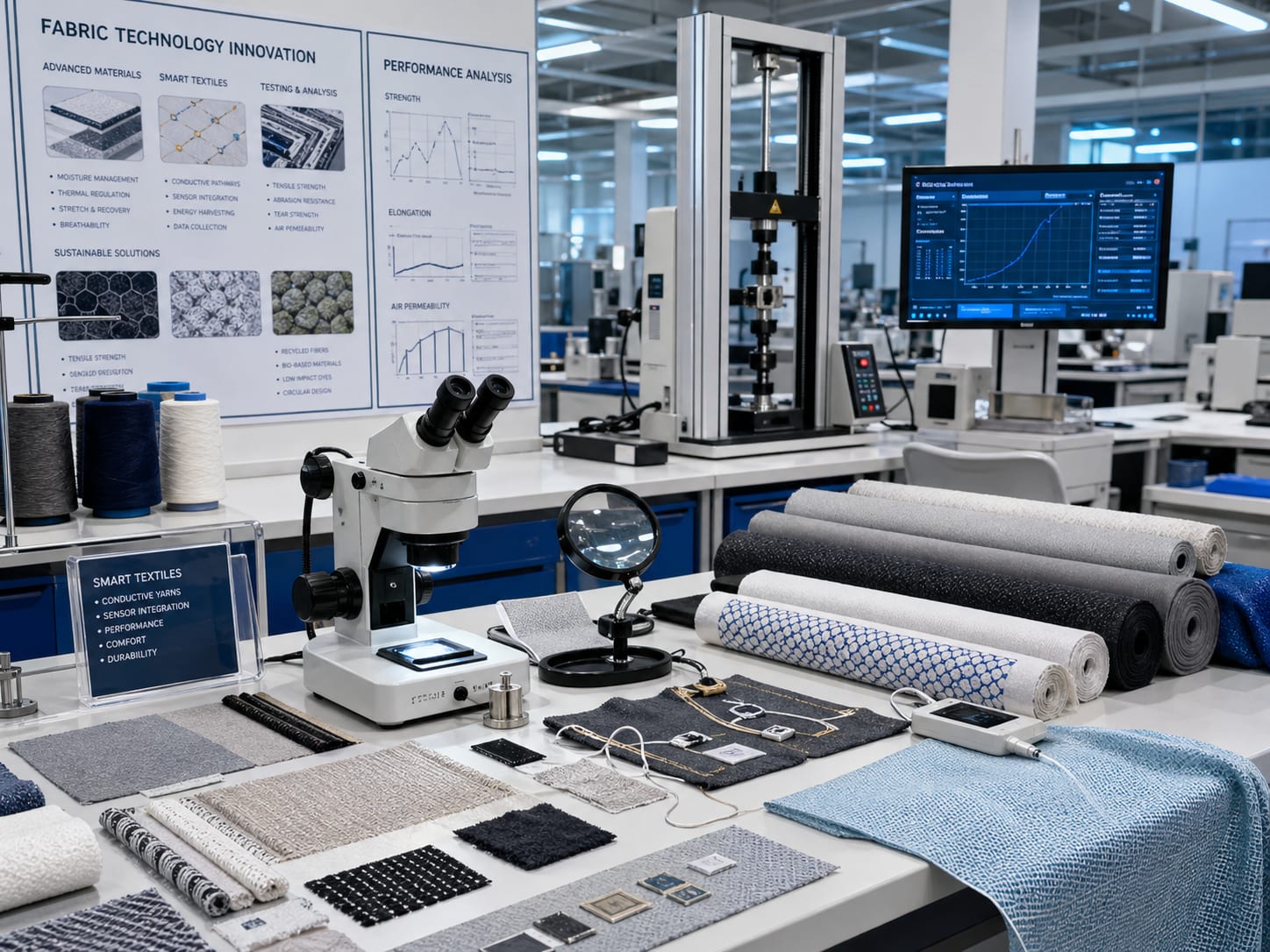
Evaluating Technology and Quality in Fabric Selection
Technology has added measurable value to textile manufacturing. Moisture management finishes, smoother poplin surfaces, structured twills, stretch blends, and improved dyeing controls all contribute to how clothing feels and performs in use. However, technology alone does not guarantee quality. Buyers still need to check yarn quality, weave or knit structure, GSM tolerance, shade approval, shrinkage behaviour, pilling risk, finishing suitability, and stitching performance before confirming production. For woven shirts, uniforms, bottoms, workwear, and casual apparel, the right fabric selection depends on how the garment will be cut, washed, worn, and reordered. As a general industry guide, mid-weight cotton poplins around 120–140 GSM are commonly used for shirts, but the final choice should always be based on the specific application and buyer requirements. Amrita Global Enterprises helps sourcing teams review options across woven fabrics, cotton poplin, twill, and denim-related needs. For those seeking twill fabrics in a range of shades, options such as crimson red cotton twill are available for review and discussion. No unsupported claims are made about lead times, compliance labels, or universal performance; each requirement is addressed based on the buyer's production context.
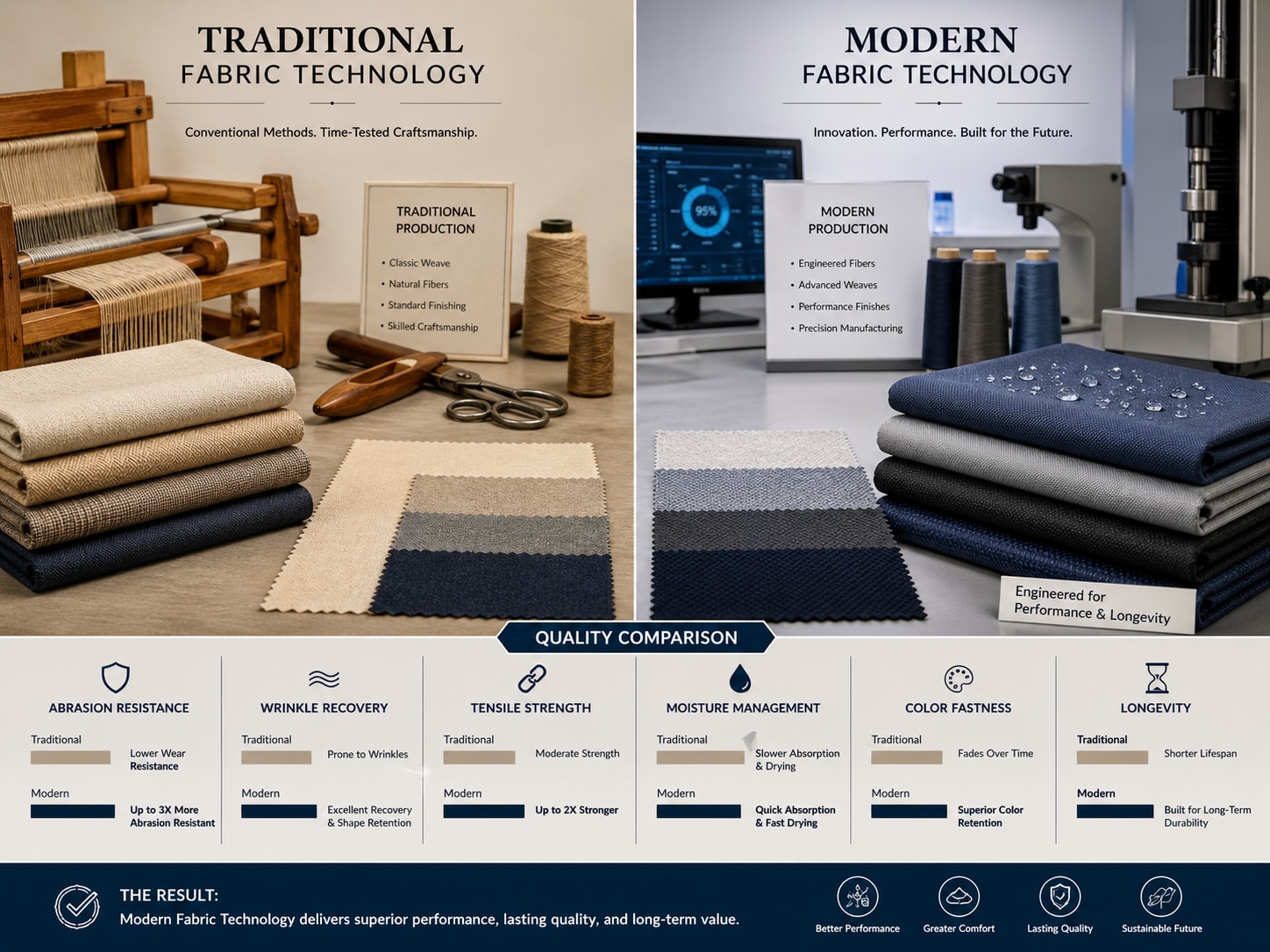
Combining Technology with Disciplined Sourcing
The best results in bulk clothing production come from combining modern fabric development with disciplined buyer checks. While a technical finish may improve comfort or durability, bulk clothing quality still depends on repeatable lots, clear specifications, approved samples, and open communication between the supplier and garment production team. Buyers are encouraged to share GSM, colour, quantity, garment use, finishing expectations, and target application so fabric can be evaluated against real production needs. For sourcing support, buyers can explore specific fabric options such as blush pink cotton twill or multi-finish cotton poplin to match their requirements. To discuss your bulk fabric requirement or request samples, share your GSM, colour, quantity, and application details for a tailored sourcing discussion.
