
Learn how fibre sourcing, yarn production, fabric making, finishing, and dispatch impact quality and consistency for bulk fabric buyers and garment makers.
Textile Supply Chain for B2B Buyers
The textile industry supply chain connects raw fibre selection, yarn preparation, fabric manufacturing, processing, finishing, inspection, and dispatch. For garment manufacturers, apparel brands, and buying houses, this chain is not just a production path; it affects handfeel, shade consistency, shrinkage behaviour, repeat order planning, and delivery coordination. A buyer who understands each stage can ask sharper questions during sampling and avoid last-minute issues in garment production. Whether the requirement is cotton, woven, knit, or denim fabric, sourcing starts with clarity on end use, GSM, construction, colour, finish, and bulk quantity. Buyers can also review available bulk fabric sourcing options before sharing specifications for a practical inquiry.
Key Stages from Fibre to Finished Fabric
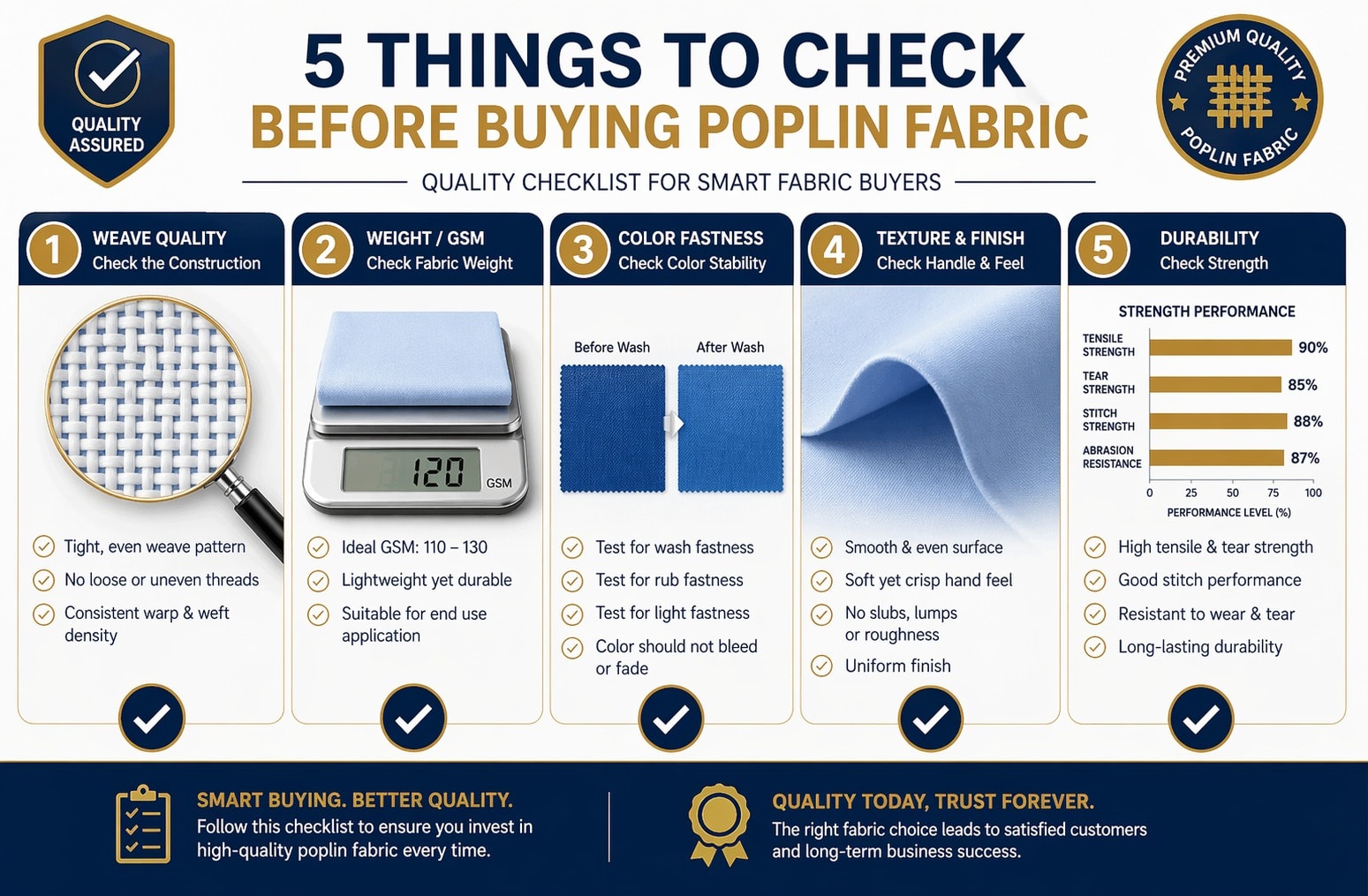
Every supply chain stage has a direct impact on the fabric that reaches the cutting table. Raw material selection influences comfort, strength, and suitability for the intended garment. Fibre processing and spinning affect yarn evenness, fabric surface, and performance during weaving or knitting. The fabric manufacturing stage then converts yarn into woven, knit, or denim constructions, where weave, width, GSM, and structure must match production needs. Dyeing, printing, and finishing add colour, appearance, softness, or functional value, but they also require careful shade and lot control for repeat orders.
- Sampling: helps buyers check handfeel, colour, construction, and suitability before bulk planning.
- Quality review: supports checks for GSM, shade, shrinkage, strength, and finishing consistency.
- Dispatch planning: keeps fabric availability, packing, and movement aligned with garment production schedules.
For buyers comparing fabric choices, guidance on different types of woven fabrics can support construction decisions.
Sourcing Support for Repeat Fabric Orders
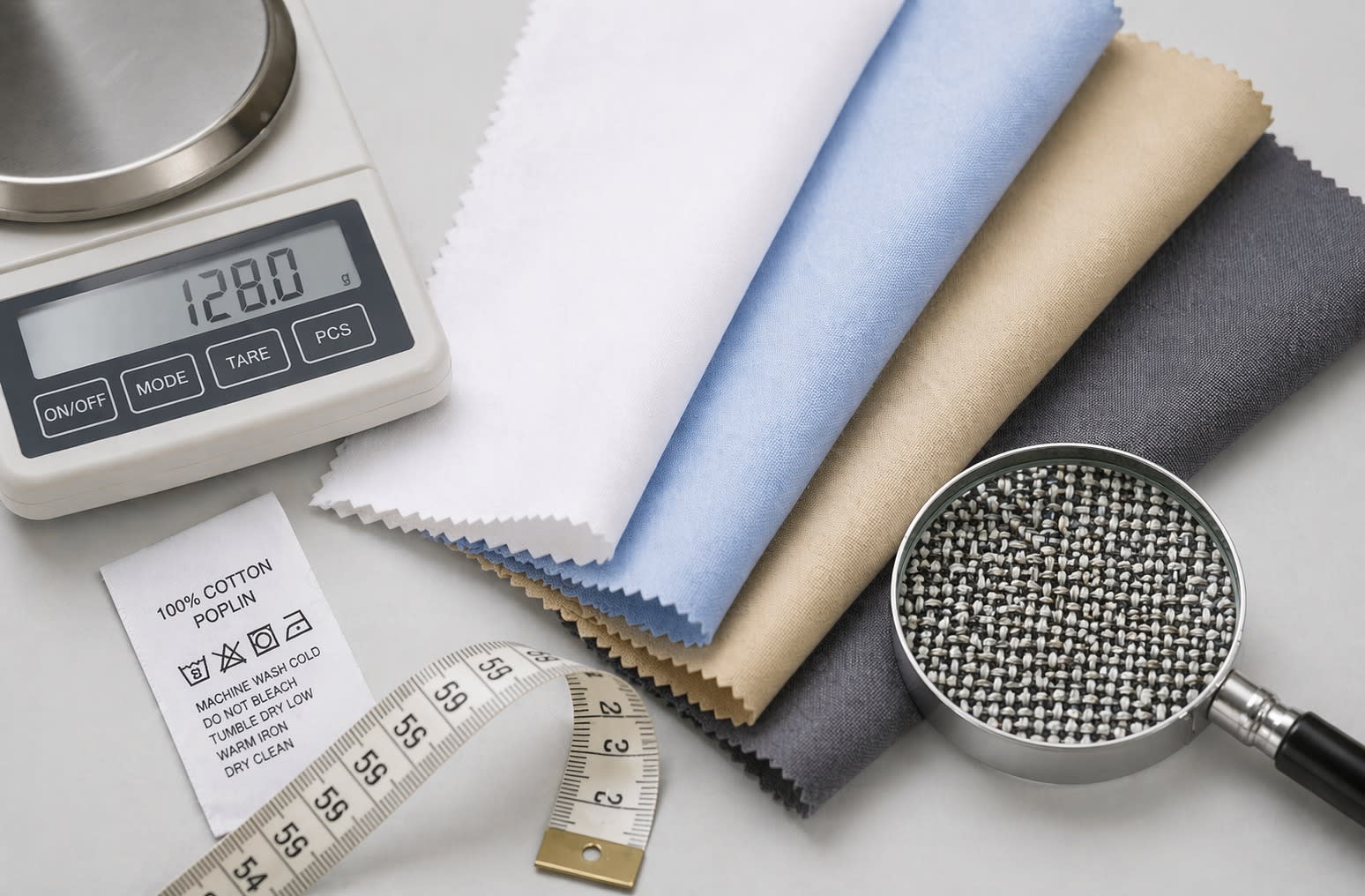
A strong textile supply chain helps buyers reduce uncertainty between sample approval, bulk order placement, and repeat dispatch. Amrita Global Enterprises (AGE) works with garment and textile businesses that need sourcing support, quality consistency, and clear communication across fabric selection, sampling, and bulk supply. Buyers can first understand AGE as a B2B fabric business through the Amrita Global Enterprises profile, then share fabric type, GSM, colour, quantity, application, and expected dispatch needs for review.
For production planning, fabric buyers should also consider packing, movement, and order coordination. The fabric shipping and logistics information can help sourcing teams prepare better questions before finalising a bulk requirement. Send Fabric Inquiry or Request Fabric Samples with clear specifications so the team can suggest suitable fabric options for garment production.
